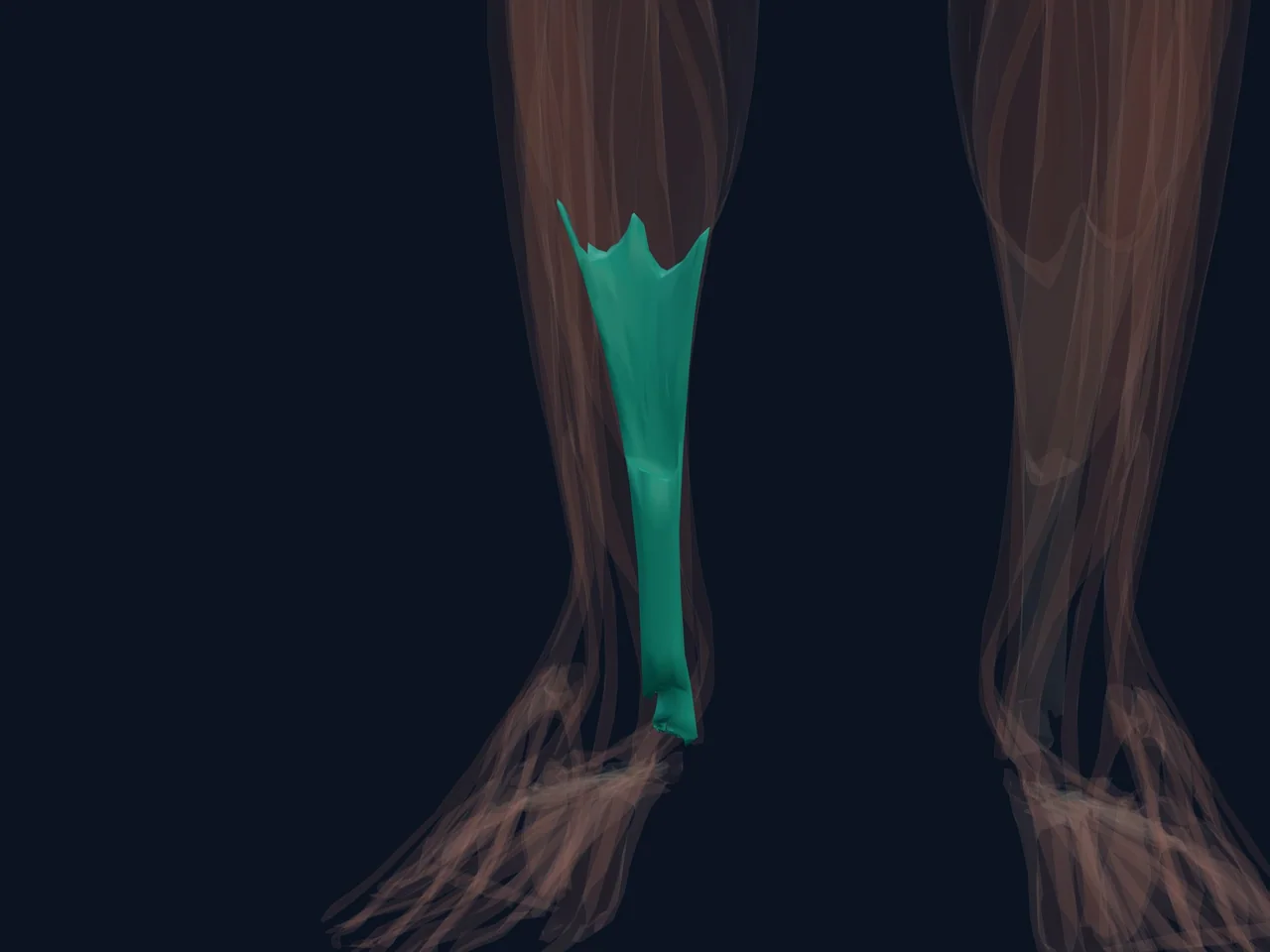
Overview
The Achilles tendon—also called the calcaneal tendon—is the thick cord at the back of the ankle. It joins the calf muscles (gastrocnemius and soleus) to the heel bone and transfers their force into push-off.
What It Does
Every step, stair, jump and run loads the Achilles. It stores and releases energy as the ankle bends and straightens, making it essential for efficient walking and especially for running and jumping.
Common Problem Areas
- Mid-portion: a few centimetres above the heel; this is a common site of gradual tendon pain and thickening.
- Insertion: where the tendon meets the heel bone; shoes, hills and deep ankle bend may be particularly irritating here.
- Muscle–tendon area: higher in the calf, where a sudden force can cause a calf strain or tendon injury.
Tendinopathy Versus Rupture
Tendinopathy usually develops gradually and is best thought of as a load-tolerance problem, not simply inflammation. A rupture is an acute partial or complete tear, often described as a sudden pop or kick to the back of the leg, with major weakness pushing off. A suspected rupture needs urgent assessment.
Related Guides
This information is for education only and is not a medical diagnosis.