Featured this month
Creatine: What It Does and How to Take It
Creatine monohydrate can help you train harder, gain strength and build slightly more muscle over time. Here is what it actually does, how much to take and which claims are mostly supplement-store theatre.
Read the featured guide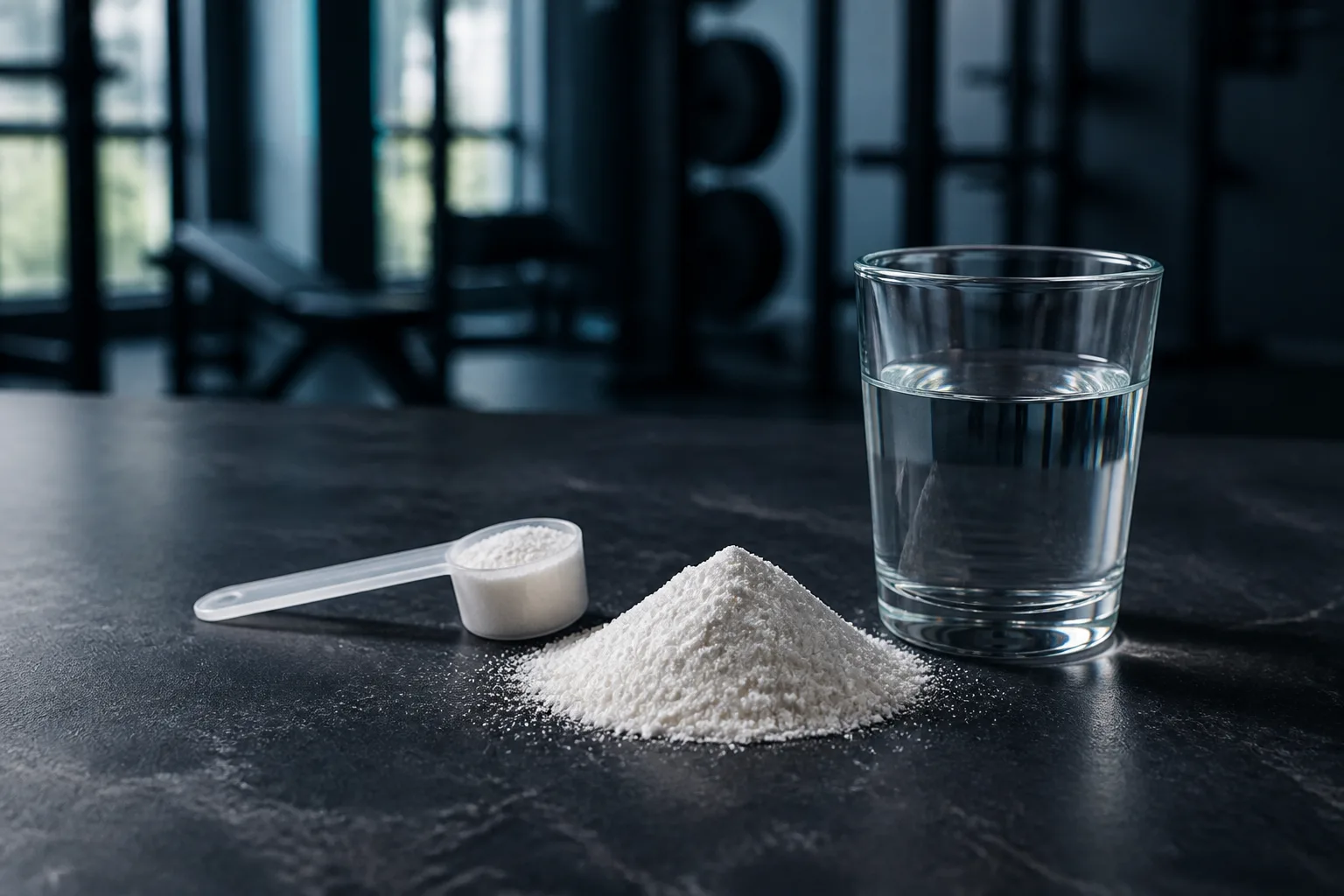
Browse by topic
Choose the kind of answer you need.
Explore every guide
Search by topic, body region or the question you are trying to answer.
Showing 17 articles
Muscle building
3 more guides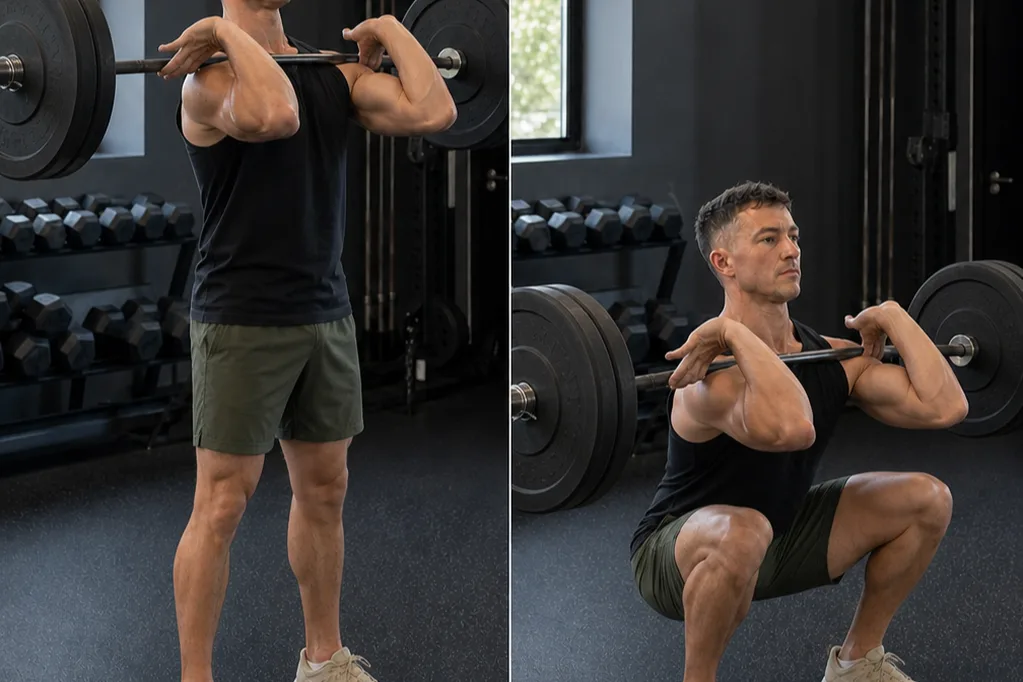 Whole body / Muscle building
The Best Exercise for Every Major Muscle
The best muscle-building exercise for each major body part, chosen by how well it matches the muscle's anatomy, loads a useful range and supports progressive overload.
Read guide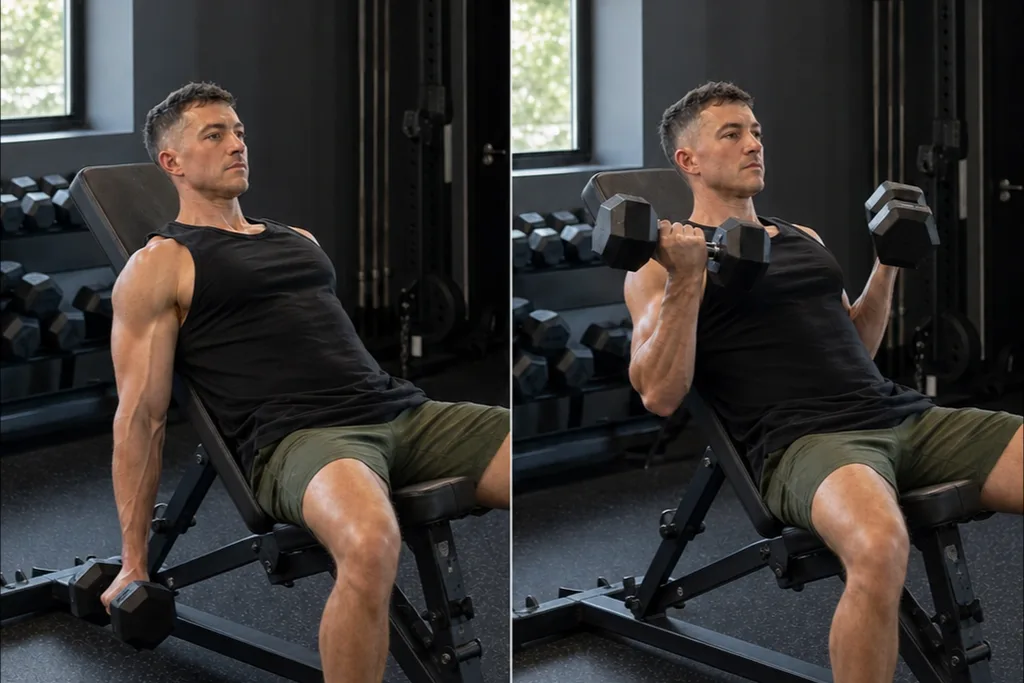 Whole body / Muscle building
Lengthened Partials vs Full Range
Lengthened partials can be useful for building muscle, but they are not a magic upgrade over full-range reps. Here is what each method does well and how to use both without overcomplicating your training.
Read guide Whole body / Muscle building
Peptides for Muscle Growth and Injury Recovery: What Actually Works?
BPC-157, TB-500 and growth-hormone-releasing peptides are heavily promoted for healing and muscle growth. Here is what each one is claimed to do, what has actually been studied in people and where the biggest risks sit.
Read guideInjury guides
4 guides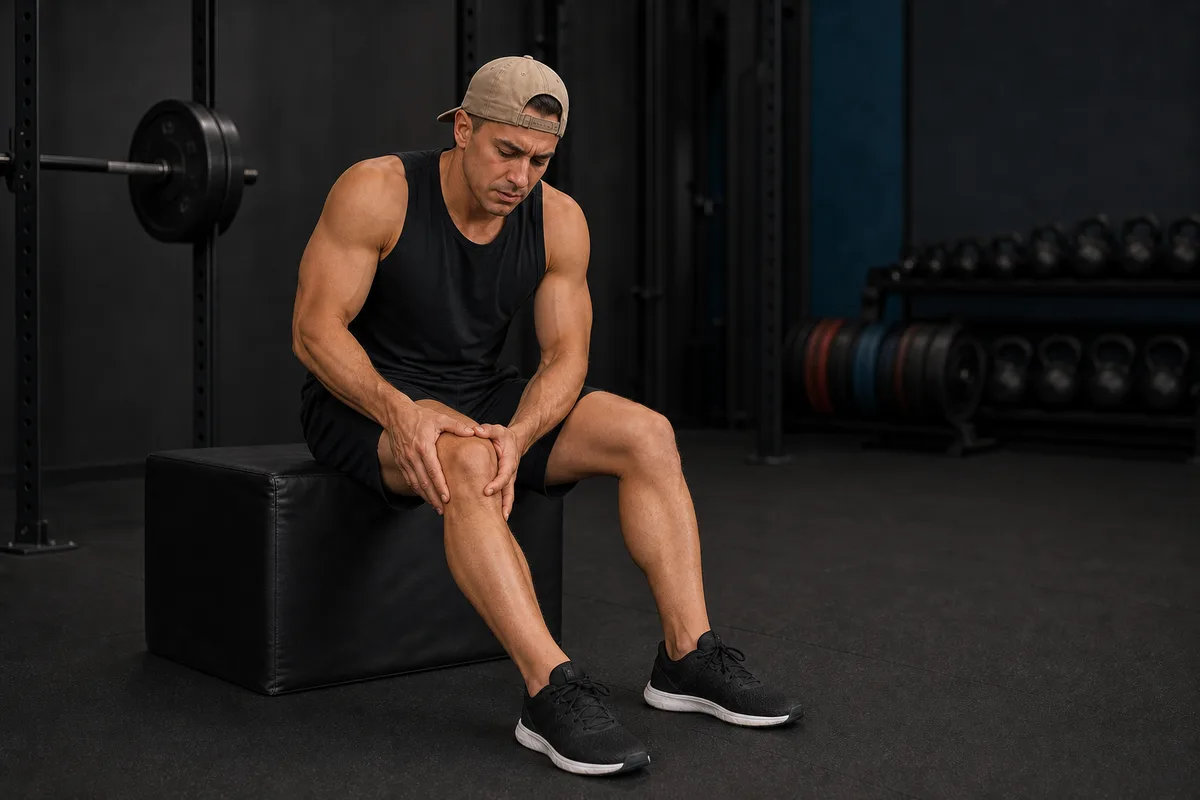 Knee / Injury guides
ACL vs MCL Tear: How to Tell the Difference
ACL and MCL tears can happen during the same awkward twist or collision, but they involve different parts of the knee. An ACL injury usually affects stability deep inside the joint; an MCL injury more often causes pain and tenderness along the inner knee. Symptoms overlap, so the mechanism and examination matter more than any one clue.
Read guide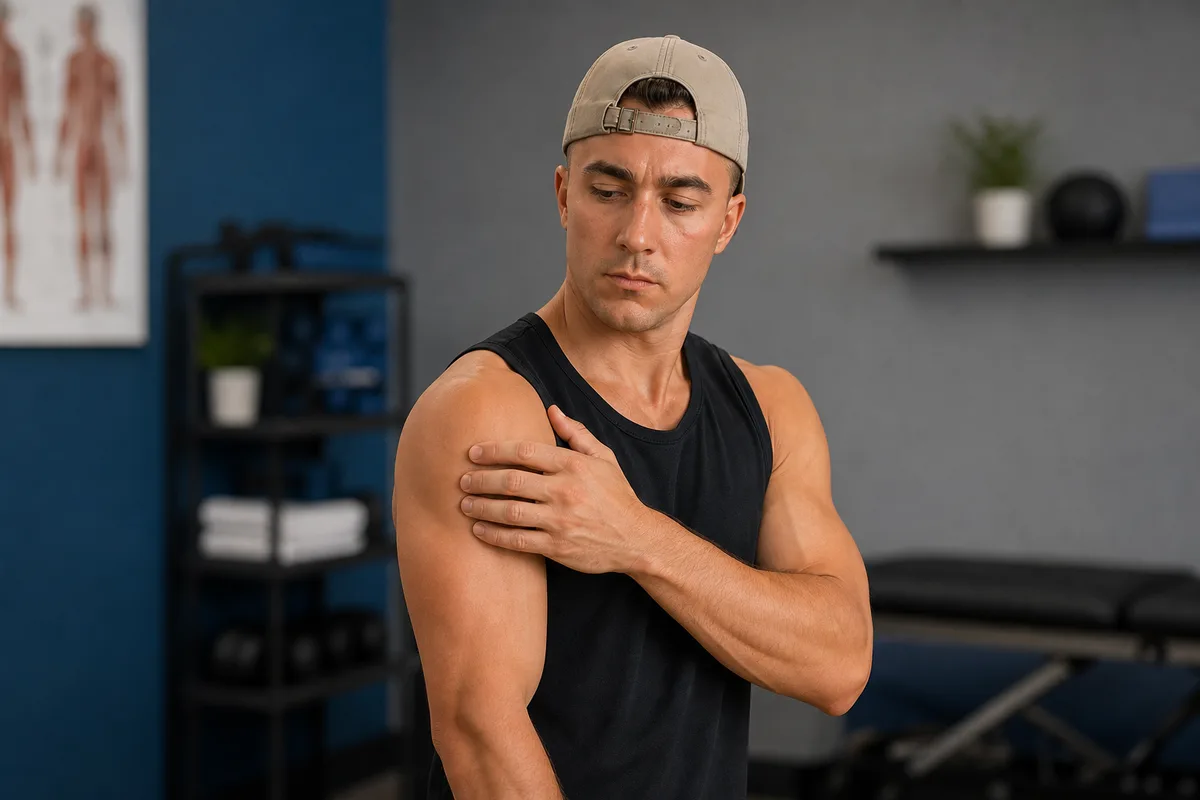 Shoulder, Arms and elbow / Injury guides
Biceps Tendinitis: Why the Front of Your Shoulder Hurts
Biceps tendinitis usually refers to irritation of the long-head biceps tendon near the front of the shoulder. It can hurt during curls, pressing and overhead work, but front-of-shoulder pain does not automatically prove the biceps tendon is the cause.
Read guide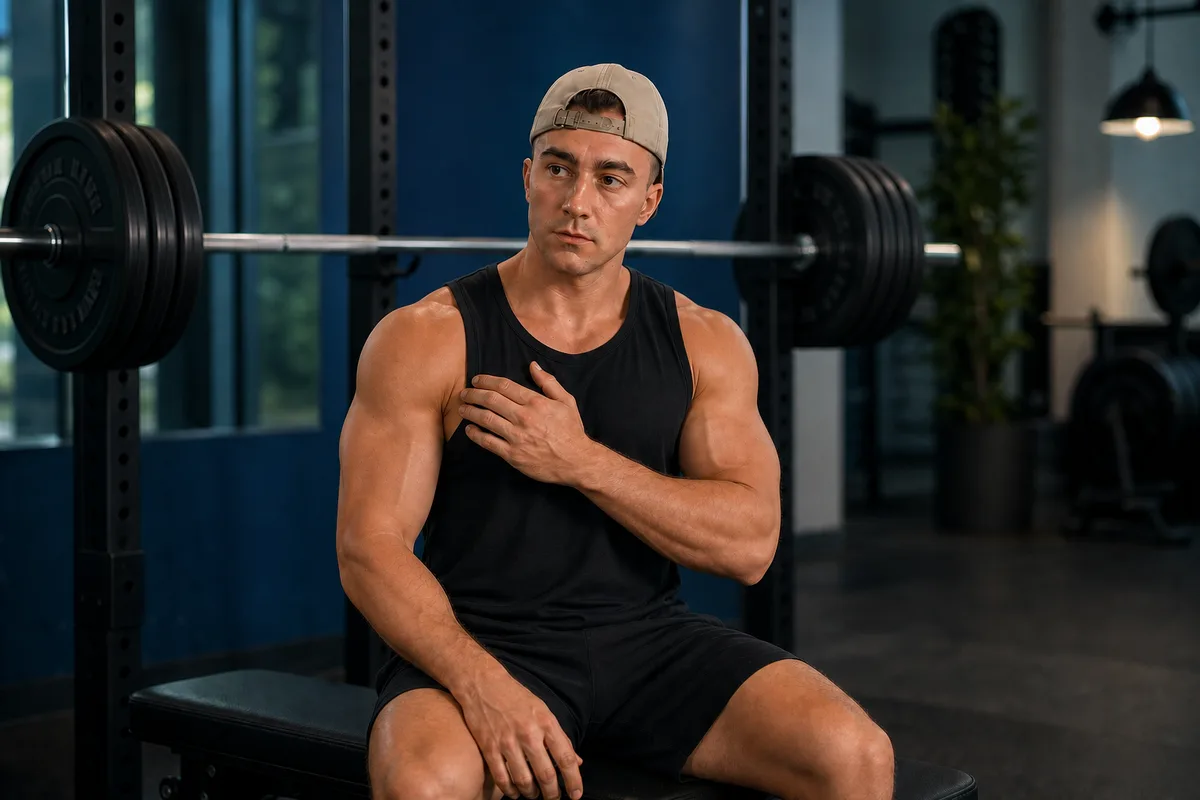 Shoulder, Chest / Injury guides
Pec Strain vs Pec Tear: How to Tell the Difference
A pec strain and a pec tear are not completely separate injuries. A strain can include tearing of muscle or tendon fibres. What matters most is how much tissue is disrupted, where the injury occurred and whether there is bruising, deformity or a sudden loss of strength.
Read guide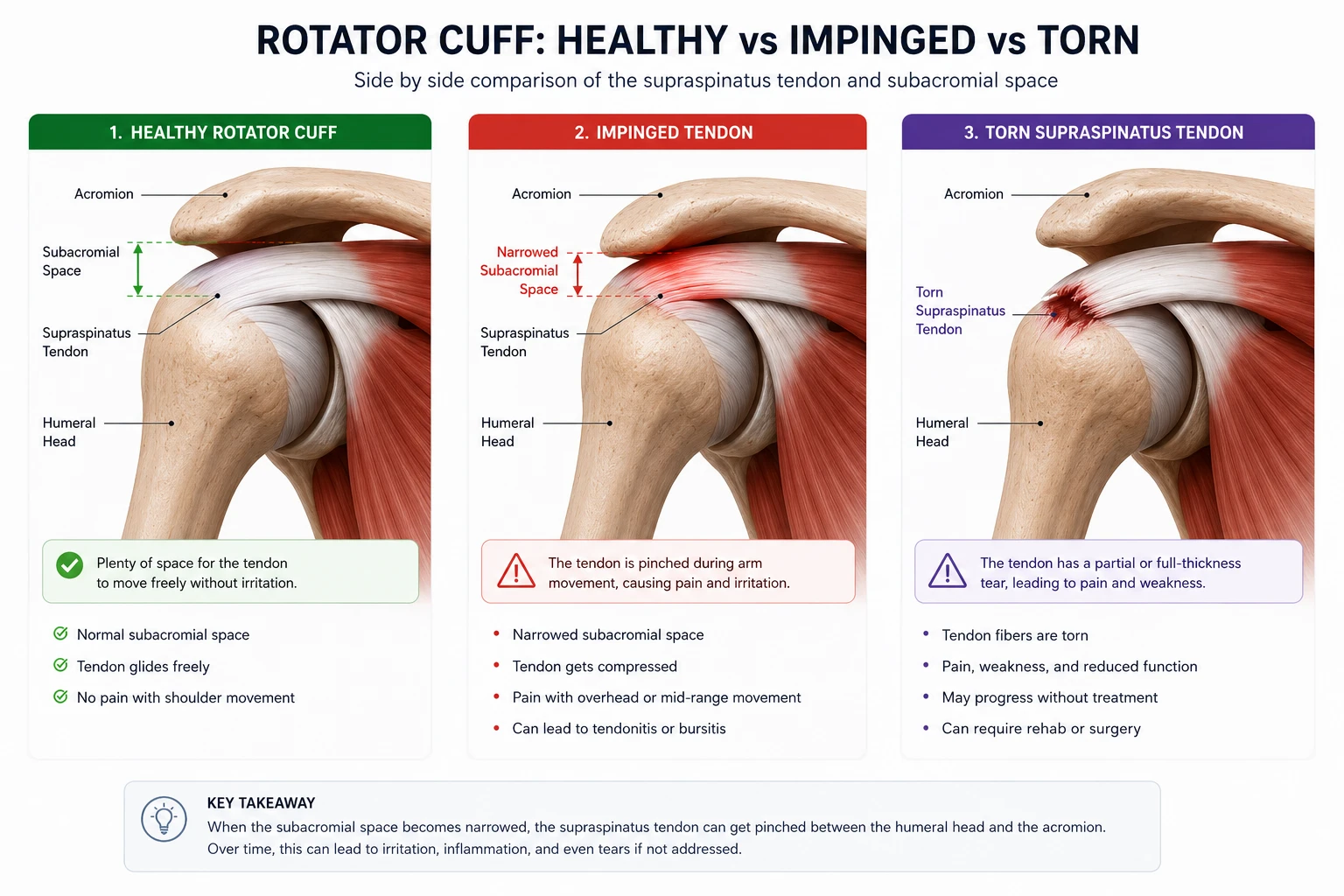 Shoulder / Injury guides
Rotator Cuff Tear vs. Shoulder Impingement: How to Tell the Difference
Rotator-cuff tears and shoulder impingement can both cause pain when you lift your arm, reach overhead, or sleep on the affected side. That overlap makes them difficult to tell apart from symptoms alone. Here's how clinicians actually do it.
Read guidePain and symptoms
5 guides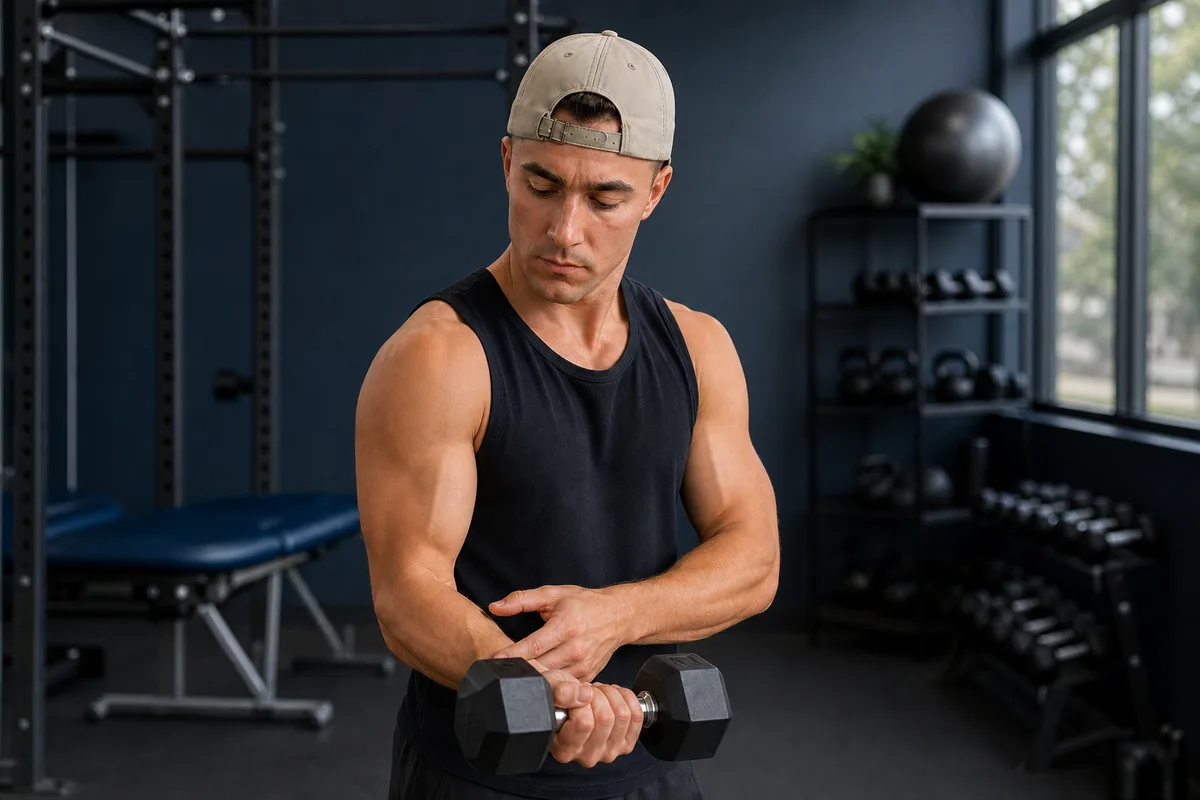 Arms and elbow / Pain and symptoms
Why Does My Elbow Hurt When I Lift or Curl?
Elbow pain during curls or lifting often reflects an irritated tendon, but the location matters: outer, inner, front and back-of-elbow pain involve different tissues. A painful lift alone cannot confirm the diagnosis.
Read guide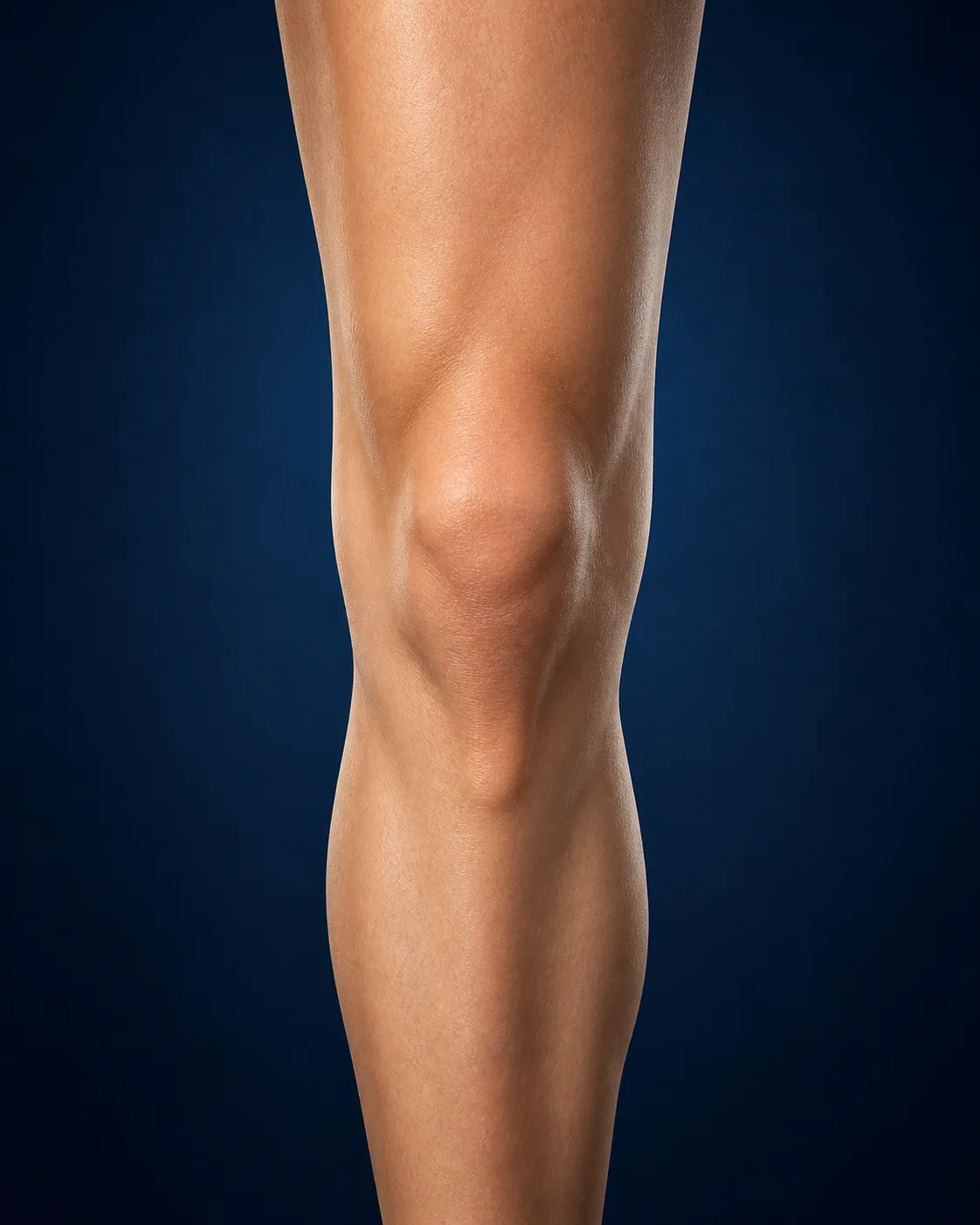 Knee, Hip, Foot and ankle / Pain and symptoms
Knee Pain From Running
Knee pain after a run can be frustrating, especially when it keeps coming back. Where you feel it and how it behaves can help you understand what may be irritated and when it is worth getting checked.
Read guide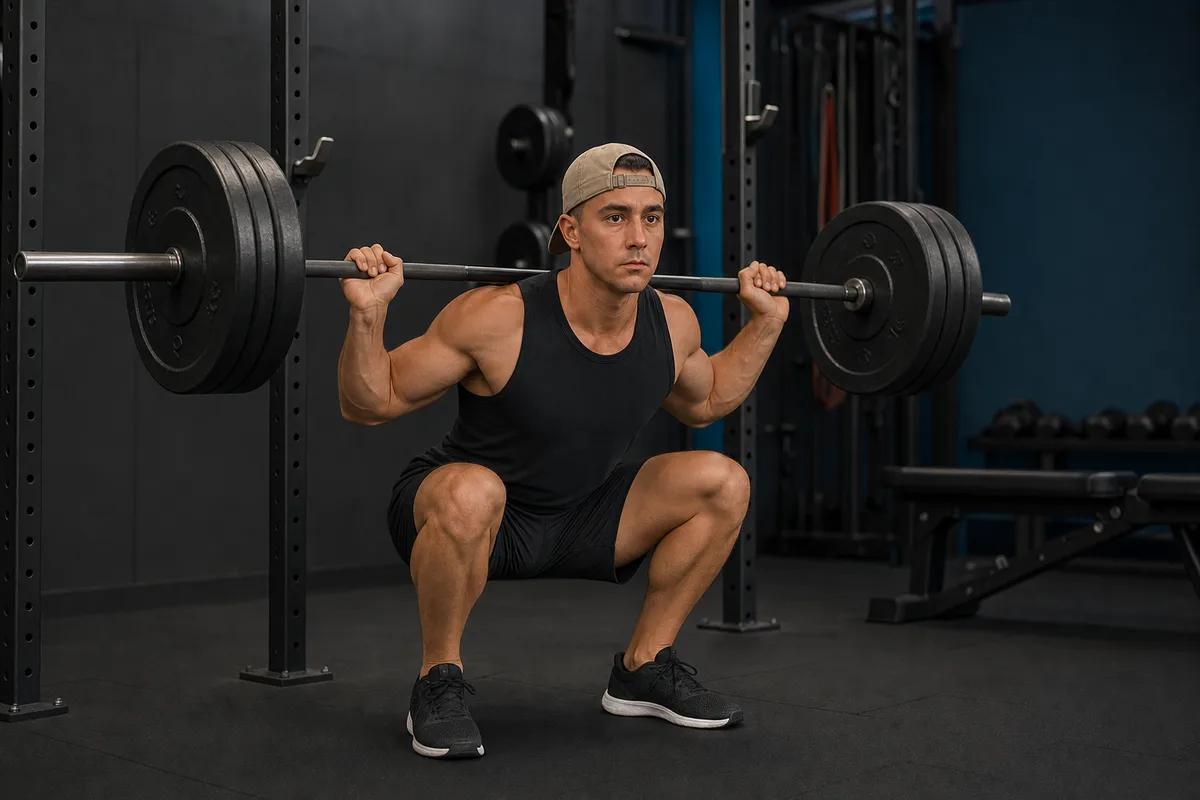 Knee / Pain and symptoms
Why Does My Knee Hurt When I Squat?
Knee pain during a squat often reflects how a sensitive joint or tendon is handling load, not proof that you have damaged your knee. Where it hurts, how it started and what happens afterward provide better clues than the squat alone.
Read guide Shoulder / Pain and symptomsWhy Does My Shoulder Hurt When I Sleep on My Side?
Lying on a sensitive shoulder can make it ache, but the painful side is not always the whole story. The position of your upper arm, hours spent without moving, and an existing shoulder or neck problem can all contribute.
Read guide Shoulder / Pain and symptomsWhy Does My Shoulder Pop or Click?
A shoulder that clicks, pops or grinds is not automatically injured. The useful clues are whether the sound is painful, whether it began after an injury, and whether it comes with weakness, catching or a feeling that the joint may slip.
Read guideRecovery
3 guides Whole body / Recovery
Massage, Acupuncture & More: What Is Actually Worth It?
A practical ranking of popular hands-on treatments, what they can help with, what they cannot fix and where your money is best spent.
Read guide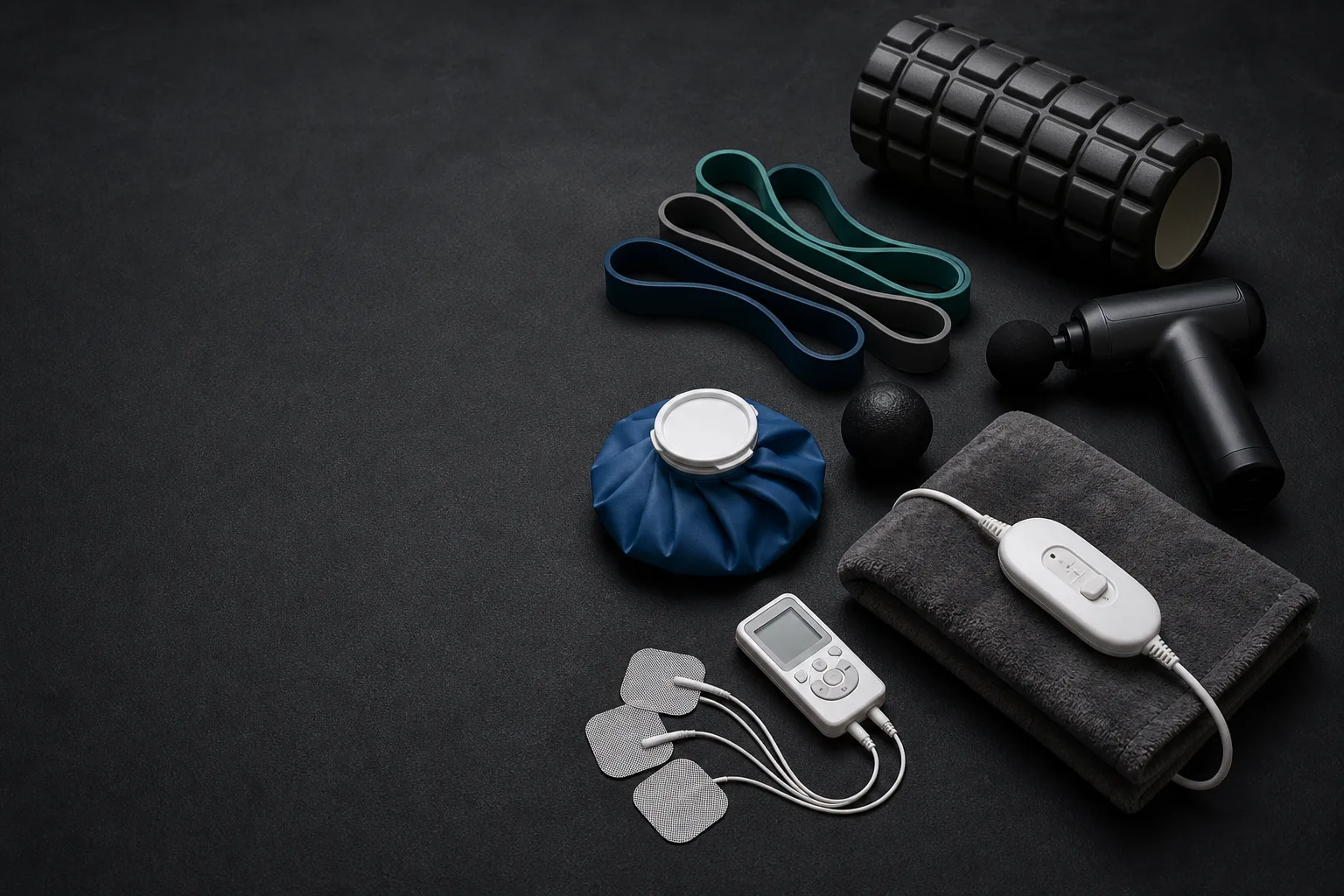 Whole body / Recovery
Recovery Equipment Ranked: What Is Worth Buying?
A straightforward ranking of recovery tools: what they help with, how to use them and when they are worth your money.
Read guide Whole body / Recovery
Physio, Massage, Chiro or Doctor? Who to See for an Injury
A practical guide to choosing the right person for a new injury, persistent pain or return-to-sport goal.
Read guide