Overview
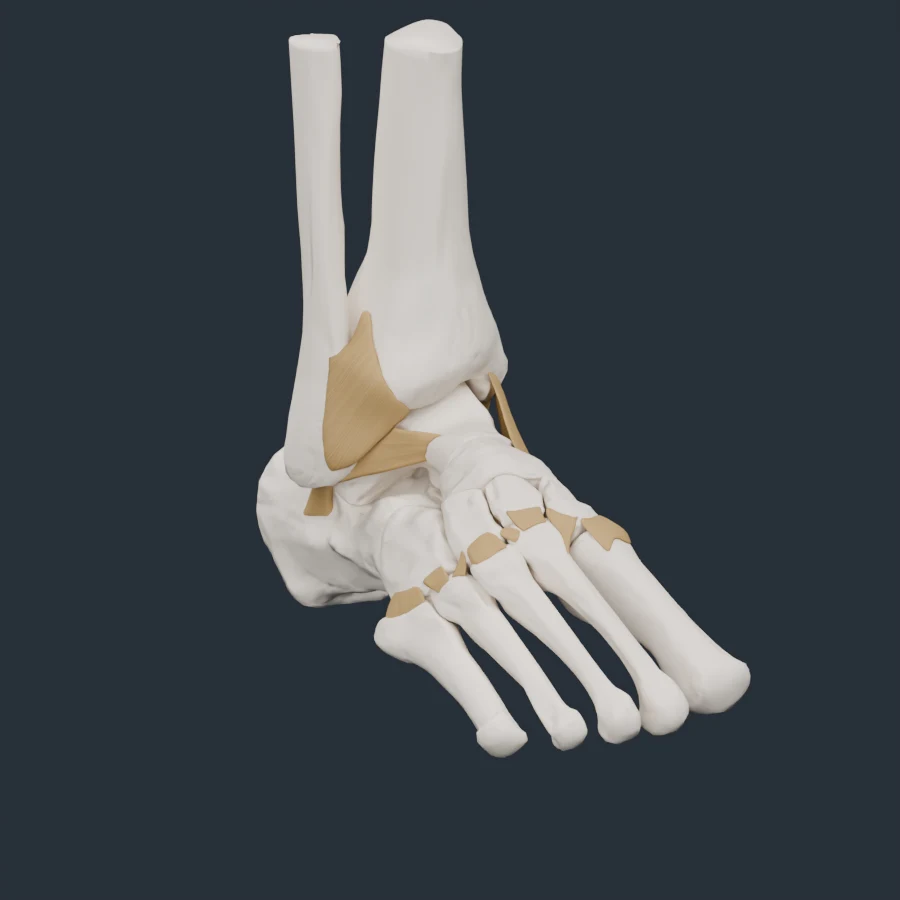
Achilles tendinopathy is usually a gradual load-tolerance problem in the tendon at the back of the ankle. It commonly hurts during or after running, hills, jumping or a sudden rise in training volume. It is not the same as an acute rupture.
Typical Pattern
- Stiffness or pain with the first steps after rest
- Tenderness or thickening in the tendon
- Pain that warms up somewhat, then returns after activity or the next morning
- Difficulty with repeated calf raises, hills or sprinting
What Helps
The central treatment is usually progressive calf loading: choosing a tolerable starting dose, then gradually building strength and energy-storage capacity. Complete rest often reduces capacity further. Exact exercise choice depends on whether pain is in the mid-tendon or at its heel insertion, and on how irritable it is.
Watch Out For
A sudden pop, a feeling of being kicked in the calf, inability to push off, a new gap in the tendon or major swelling can indicate rupture and needs urgent assessment. Persistent pain that is worsening, night pain, marked redness/heat or systemic illness also needs review.
Related Guides
This information is for education only and is not a medical diagnosis.