Overview
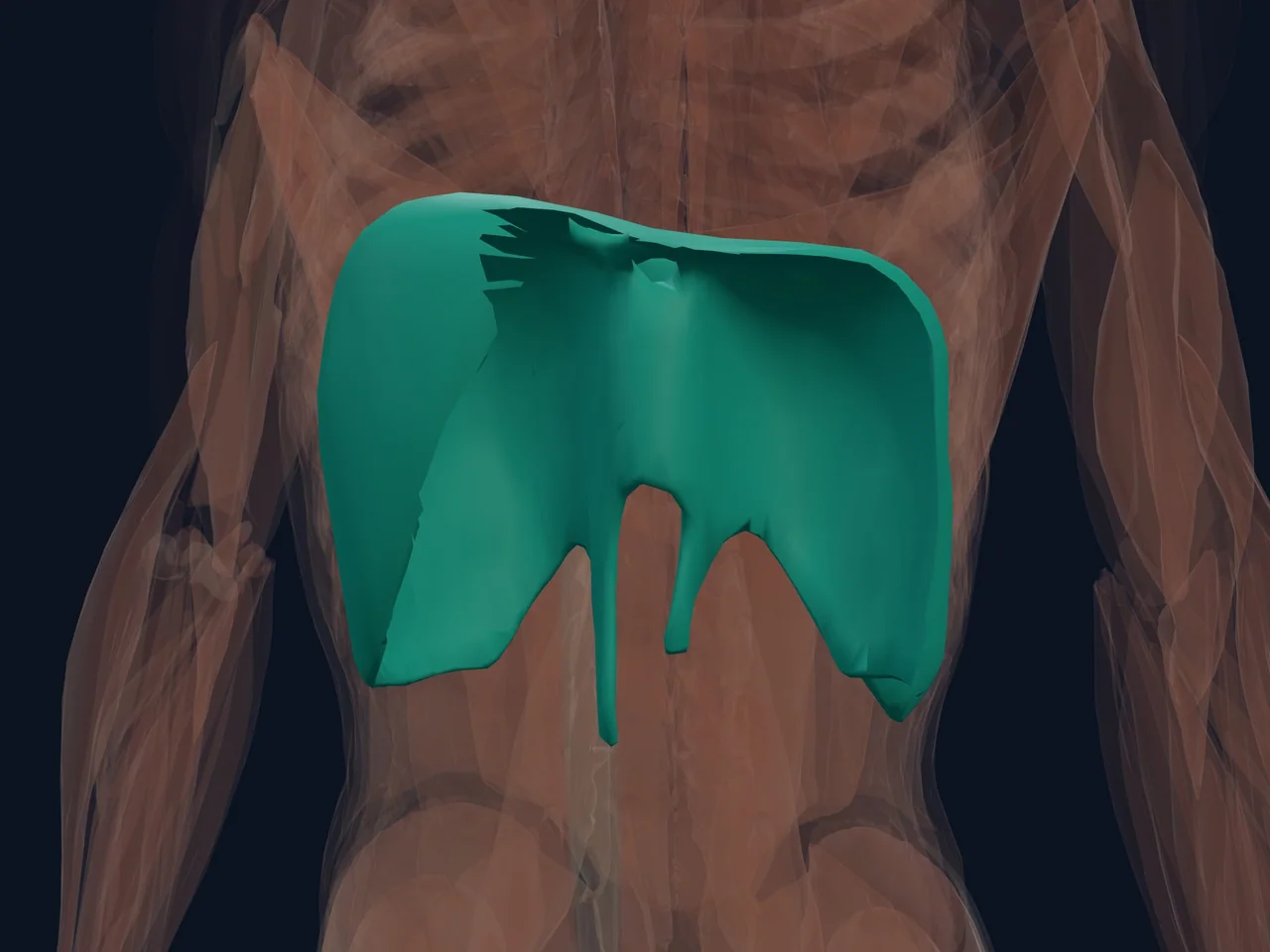
The diaphragm is the body's main breathing muscle — a large, dome-shaped sheet of muscle that separates the chest from the abdomen. It sits at the bottom of the ribcage and does the majority of the work with every breath.
When it contracts, it flattens and pulls air into the lungs; when it relaxes, air flows out.
Location and Connections
- Domes across the bottom of the ribcage, separating the chest (thorax) from the abdomen
- Attaches to the lower ribs, breastbone and spine
- Its central tendon is where the muscle fibres converge
- The phrenic nerves (from the neck) supply it — the only way the brain tells it to contract
What It Does
The diaphragm drives quiet breathing, assists forceful breathing during exercise, and helps with coughing, sneezing and clearing the airway. It also supports pressure changes in the abdomen that matter for posture, lifting and circulation.
Common Problems
- Diaphragm fatigue — a heavy, aching sensation with hard exercise or breathlessness
- Pain near the bottom of the ribcage with deep breathing, which can also come from the ribs, muscles or abdominal organs
- A stitch — a sharp, cramping pain in the side during exercise, often linked to breathing and ribcage muscles
- Shortness of breath — which needs assessment, especially if sudden or worsening
Breathing difficulty, wheezing, chest tightness or pain that spreads beyond the chest should not be assumed to be the diaphragm — get urgent medical assessment.
Clinical Relevance
Deep-breathing exercises are a core part of recovery from rib and chest injuries, because the diaphragm and intercostals must keep working even when the chest hurts. Persistent shortness of breath, sudden breathing difficulty, or chest pain with exertion deserves prompt assessment.
Related Anatomy
References
- StatPearls. "Anatomy, Thorax: Diaphragm." https://www.ncbi.nlm.nih.gov/books/NBK519558/